

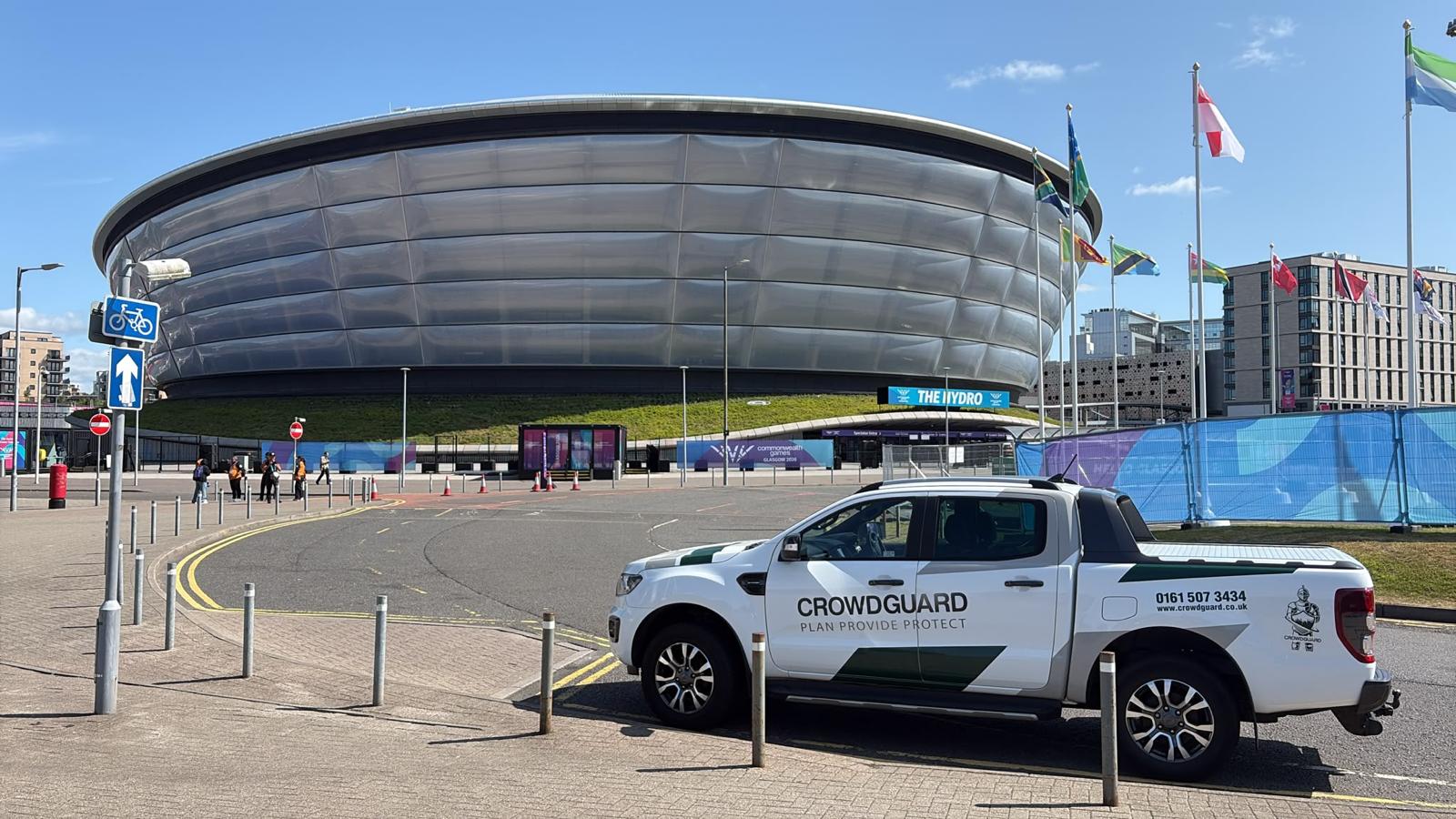
Key facts:
PLAN
Venue-specific planning, RAMS and close coordination with the Glasgow 2026 Security Team, led by James Royan, ensured the deployment reflected the different operational requirements across the four venues.
PROVIDE
A combination of ARX Stopper!, Husson H-Stop and Armis GO provided a diverse range of tailored solutions rather than forcing one solution across every environment.
PROTECT
Independently impact-rated solutions, robust supply-chain due diligence and effective training provided confidence throughout delivery. Snapshot Live added a further layer of quality assurance, creating a digital record of the deployed equipment to support traceability and demonstrate due diligence. Combined with experienced personnel and managed deployments, this helped ensure the agreed HVM measures were delivered professionally and in line with the wider Games operation.
The Challenge
Every major event is different, and Glasgow 2026 demonstrated why Hostile Vehicle Mitigation cannot be approached with a one-size-fits-all solution.
With a new, privately funded model, fewer venues, no Athletes’ Village and a completely reimagined event format, the Commonwealth Games required a safety and security strategy to be built from the ground up, not adapted from previous Games.
Security Team Lead for Glasgow 2026, James Royan, comments, “A risk-based approach underpins our approach to the delivery of the Commonwealth Games in Glasgow 2026.” This mirrors Crowdguard’s Plan – Provide – Protect methodology.
We were proud to work in partnership with Mr Royan, covering four Glasgow venues: the SEC, Tollcross International Swimming Centre, Scotstoun Stadium and the Sir Chris Hoy Velodrome.
The HVM measures needed to work alongside road closures, pedestrian movement, venue operations and everyday city life, while remaining proportionate to the requirements at each location, each featuring very different site conditions and operational requirements.
The Solution
Taking on board the completed TVRA, we completed a thorough HVM specification across the four venues, considering the specific risks, vulnerabilities and operational requirements of each environment. The findings then informed the planning process, working closely with the Glasgow 2026 Security Team to develop a considered HVM plan.
Our multi-solution approach incorporated ARX Stopper!, Husson H-Stop and Armis GO HVM barriers, selecting different combinations to suit the individual environments and operational requirements. When specifying HVM it was important that products used had a pedestrian-permeable design to suit the busy venue environments where maintaining accessibility was an important consideration.
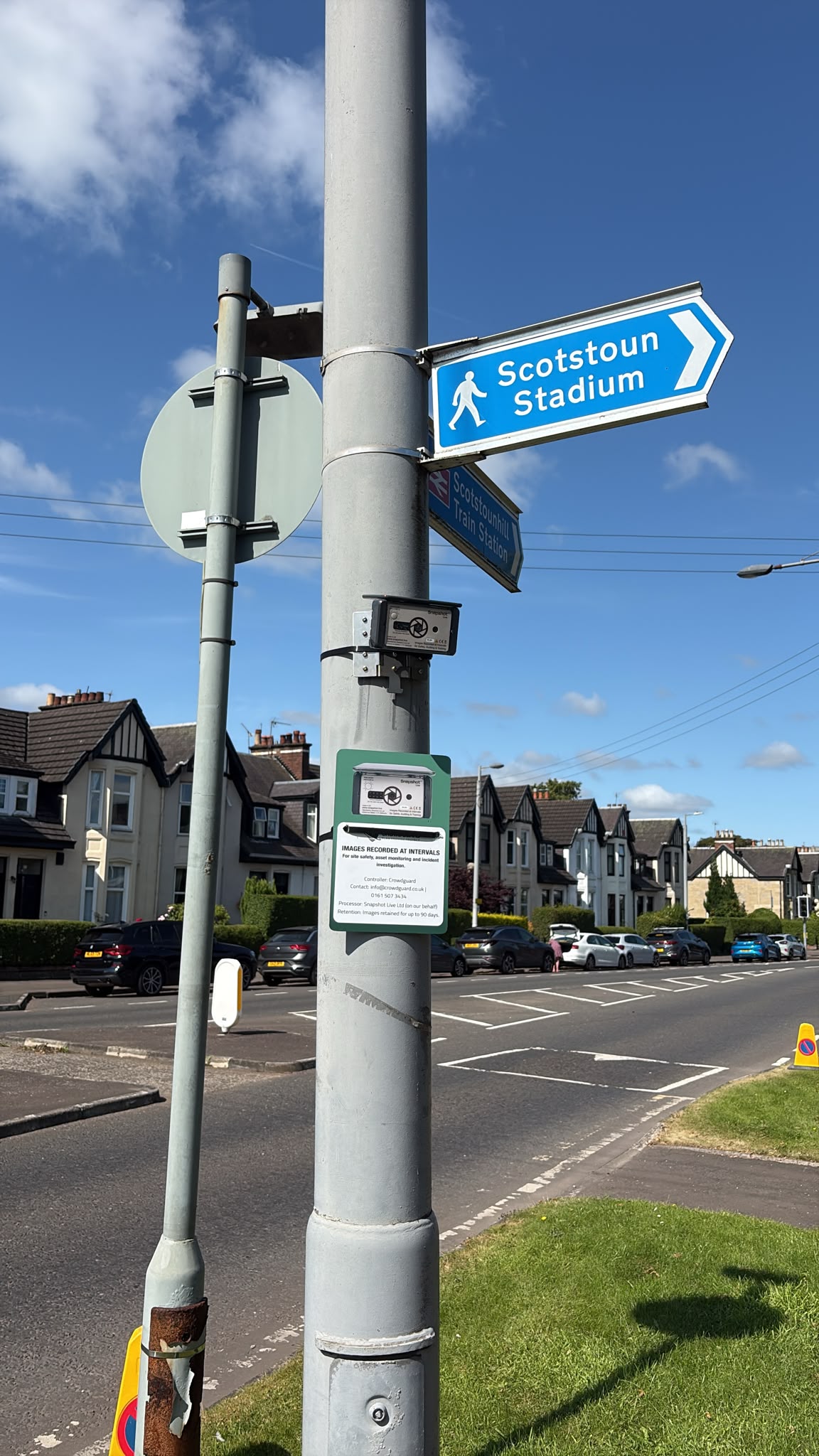
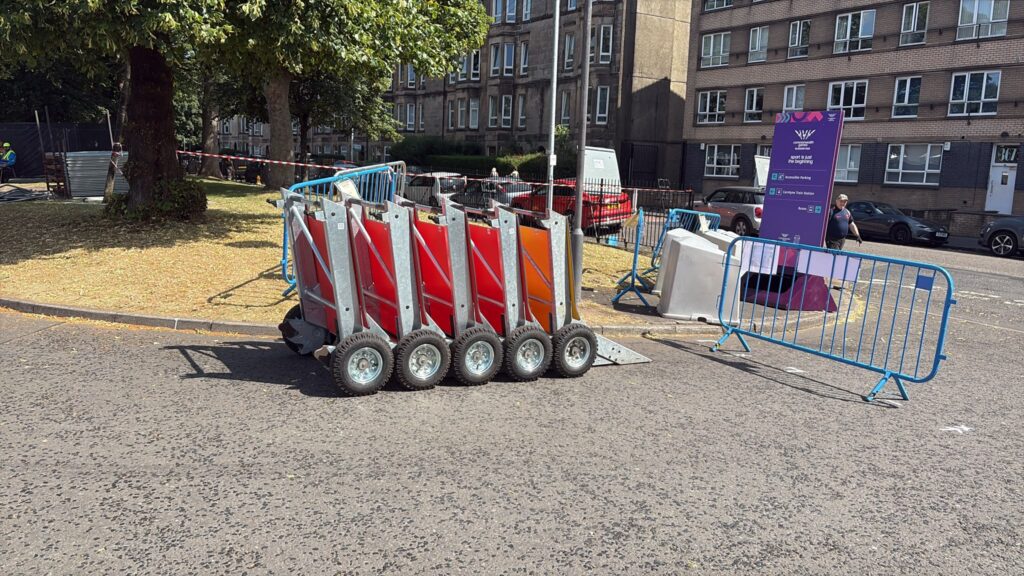
At Tollcross and the SEC, we specified and installed 9 H-Stop units, 9 Armis GO units and 2 stillages of the ARX Stopper across seven locations. And, at Scotstoun and the Sir Chris Hoy Veldrome, our solutions combined H-Stop and Armis GO.
Fully rated and tested, Husson H-Stops were specified for operational flexibility. Used alongside event-time road closures, the mobile units could be moved aside when the relevant closures were not required, helping the HVM operation work around normal activity rather than unnecessarily restricting it.
For areas of the event where site conditions meant the H-Stop would have been disproportionate to the identified risk and operational requirement, such as near grass verges, ARX Stopper! was specified as a practical, surface-mounted alternative that could be deployed in a VADS rated configuration.
Finally, Armis GO provided an ISO 22343-1 impact-rated solution for pedestrian areas that could remain deployed for the duration of the Games.
Managing a complex multi-venue operation
Planning was only one part of the project, and the ability to adapt was essential. Installation took place over several days, requiring significant coordination of people, vehicles and equipment between venues.
The SEC provided a particularly good example of why flexibility matters.
Because of operational requirements associated with the nearby railway station, part of the site could not close when originally anticipated. Rather than allowing this to disrupt the wider programme, our team adapted the deployment schedule, ensuring the required Armis GO units could be brought in and installed as soon as the site became available. For an 11-day, multi-venue event, the HVM plan therefore wasn’t treated as something that simply stopped changing once the equipment arrived. It remained responsive to the realities on the ground.
Due Diligence across the temporary HVM scheme
For Glasgow 2026, our due diligence continued through delivery. We verified the impact-rated solutions being supplied and the supporting product documentation, helping ensure the equipment deployed matched the requirements established during the planning process.
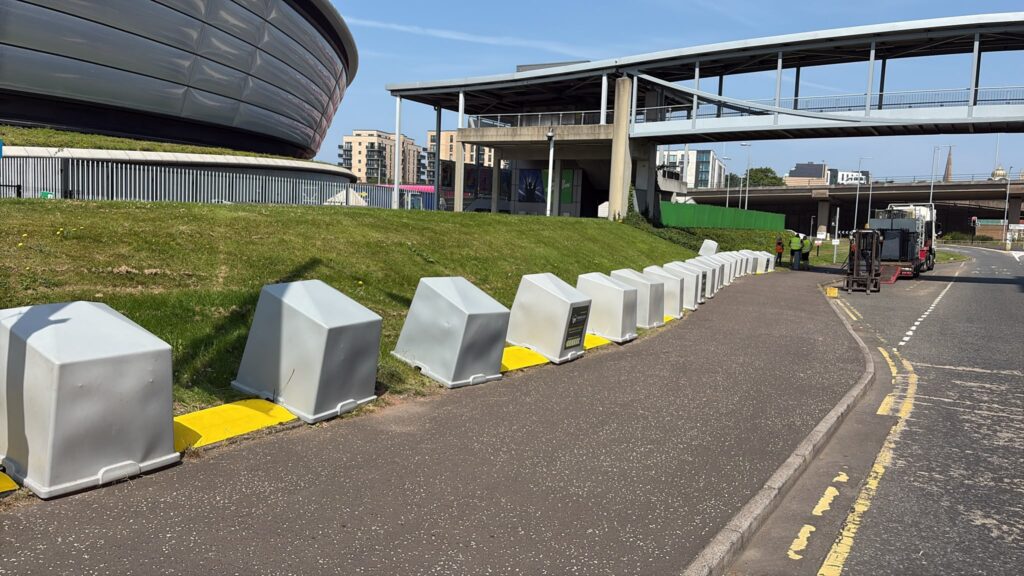
As part of this quality assurance process, we also utilised Snapshot Live to create a digital record of the deployed equipment. This provided an additional layer of assurance and traceability, supporting our due diligence by giving the project team a clear record of what had been delivered and installed on site.
Working directly with the Games’ Senior Security Manager, Scott Oliver, we coordinated with the wider team around site access, road closures, traffic management, method statements and operational briefings. We also provided full training to support the teams responsible for managing the equipment on the ground, helping ensure products were installed and managed in line with the agreed requirements.
The Outcome
Glasgow 2026 demonstrated the value of taking a considered approach to HVM across a major multi-venue event. From risk assessments through to specification and delivery, each stage was supported by the appropriate documentation, impact-rated solutions, competent personnel and training.
For the Games team, this provided confidence that the HVM provision had been properly considered and that the measures being delivered reflected the requirements identified for each venue.
For us, that responsibility is an important part of being a specialist HVM provider. We don’t simply supply equipment and leave others to join the pieces together; we take ownership of our role from assessment through to delivery, with the accountability to make sure the work we are responsible for is thoroughly thought out, verified and carried out to the required standard.