


When people hear the term Hostile Vehicle Mitigation (HVM), they often think immediately of large barriers, road closures or highly visible security measures. In reality, HVM is something much broader, and much more considered, than physical barriers alone.
Using NPSA’s definition, HVM is a protective security discipline that seeks to reduce the risks associated with vehicle-borne threats, posed by terrorists and criminals. It is informed by an understanding of the threat, the vulnerability of a location, the potential consequences of an attack, and the operational needs of the people responsible for that space.
And, to be effective, HVM solutions should always be proportionate and reasonably practicable.
What does it mean to be proportionate?
One of the biggest misconceptions surrounding HVM is that every event, venue or public space requires the same level of protection. That is simply not the case.
This means recognising that not every public gathering requires physical vehicle security barriers, just as not every location presents the same level of vulnerability. Decisions should be evidence-led, beginning with an assessment of risk and a clear understanding of the site’s characteristics, the nature of the event, and the surrounding environment. From there, organisers can determine what measures are reasonable and proportionate for the specific circumstances.
For example, a small community event held within a naturally pedestrianised square presents a very different risk profile to a major sporting event attracting tens of thousands of people adjacent to busy road networks. Even if the location is the same, the protective measures required could be entirely different depending on the activity taking place.

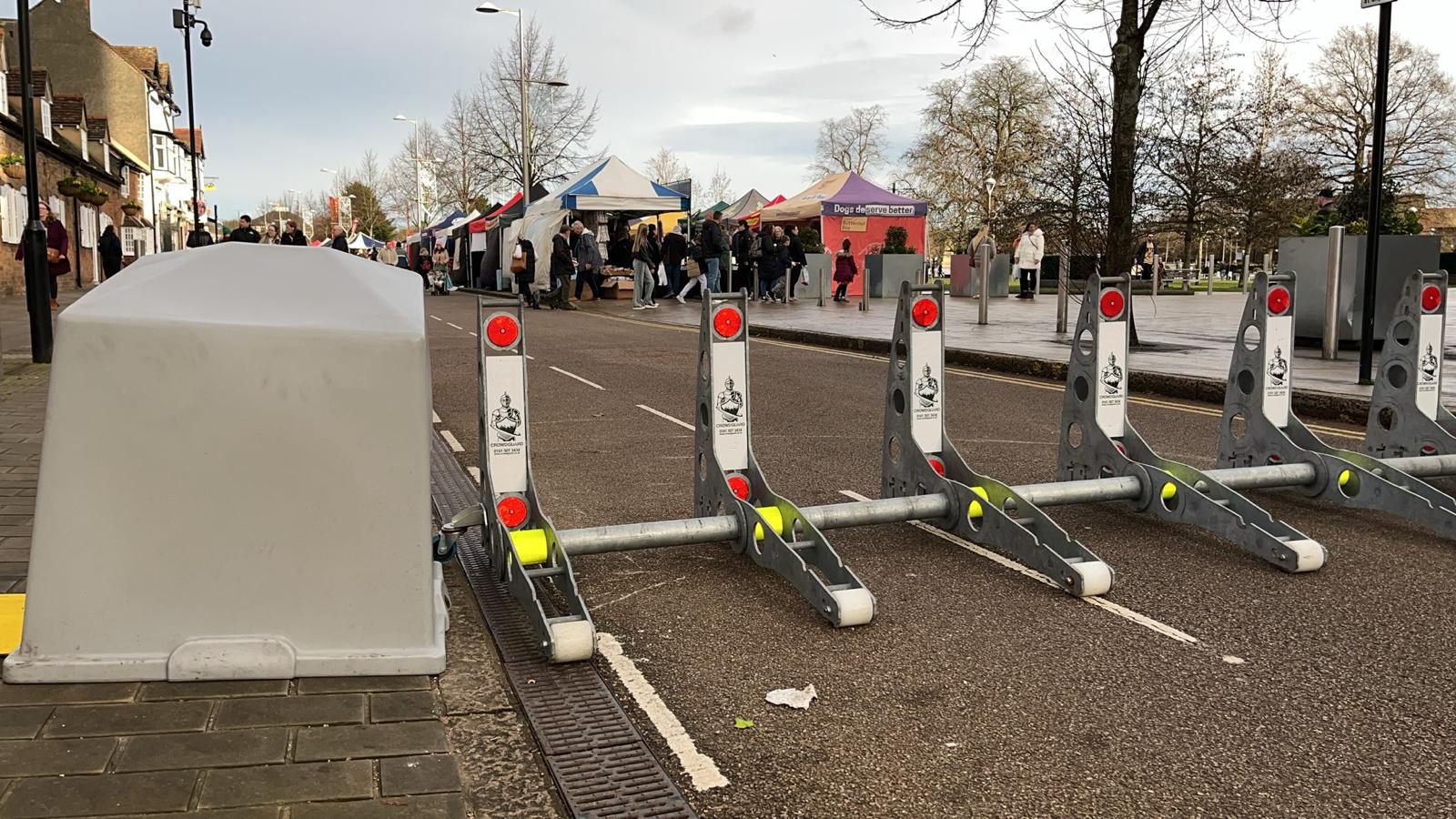
HVM is more than barriers
Another common misunderstanding is that HVM simply means installing barriers.
In reality, physical measures are only one part of a layered approach to security.
Before considering any physical intervention, organisations should first ask:
- Can vehicles realistically reach members of the public?
- Are there predictable queues, crowding or congestion?
- Do existing features such as buildings, landscaping or street furniture already provide protection?
- Could changes to the event layout, access arrangements or stewarding reduce vulnerability?
- What operational access still needs to be maintained for emergency services, deliveries or authorised vehicles?
These simple questions often help determine whether physical HVM is required at all, or whether practical operational measures may sufficiently reduce the risk.
In many cases, thoughtful planning can achieve significant improvements without introducing physical barriers.
Reasonable measures start with planning
The most effective protective security often begins long before any equipment arrives on site.
Reviewing crowd flow, repositioning queues away from roads, making better use of existing infrastructure and improving communication between organisers, security teams and local partners can all contribute to reducing vulnerability.
Staff awareness and preparedness also play an important role. Well briefed teams, clear reporting procedures and rehearsed response plans all strengthen resilience without fundamentally changing the visitor experience.
These types of measures are often inexpensive, practical and relatively simple to implement. More importantly, they demonstrate that security decisions have been considered carefully rather than applied as a blanket solution.
Physical measures where justified
There are, of course, situations where physical HVM forms an important part of an overall protective security strategy.
Where a realistic vehicle access risk exists, appropriately selected, tested and certified vehicle security barriers may help reduce vulnerability, delay an attack and create valuable time for emergency response.
However, the choice of solution should always be driven by operational requirements rather than convenience.
As a broad guide, temporary vehicle security barriers may be appropriate for one-off events or short-term activities, while more permanent installations may be considered where public exposure is ongoing, such as busy public spaces or frequently used venues. It is important to note here that there is no one-size-fits-all solution. These examples simply illustrate how different operational circumstances can influence the choice of mitigation.
Factors including the location, threat and vulnerability assessment, expected attendance, vehicle access requirements, emergency planning, operational constraints and the surrounding environment will all influence what is reasonable and proportionate. Every situation should be assessed on its own merits, which is why it is always advisable to seek guidance from a specialist HVM provider who can recommend solutions tailored to the specific risks and operational needs.
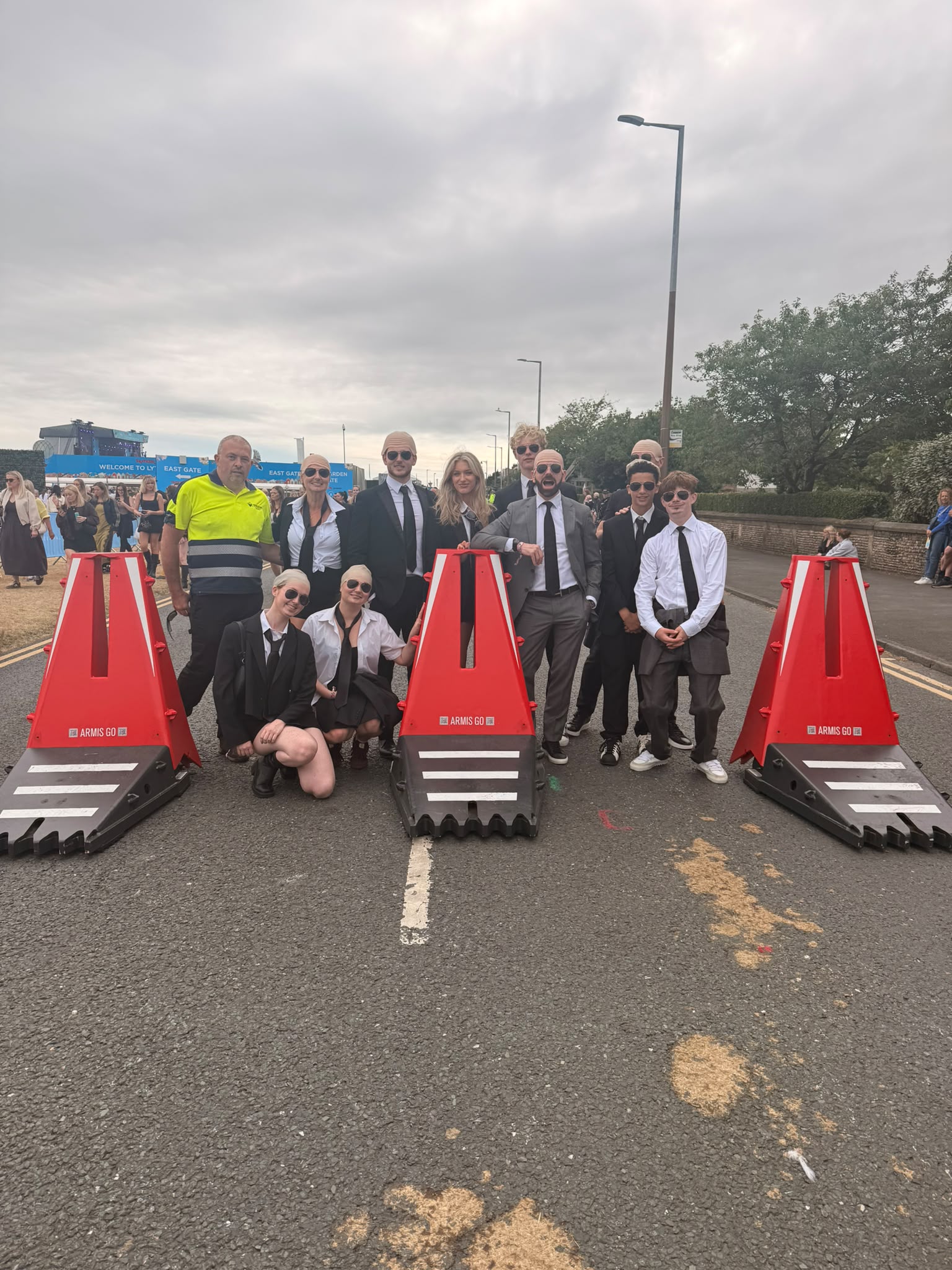
People-first security
An ongoing challenge for those responsible for public spaces is achieving the right balance between protection and accessibility.
Public spaces need to remain welcoming, vibrant and functional. Events need to operate efficiently. Businesses must continue trading, residents require access and emergency services must be able to respond quickly.
Good HVM should support these objectives, not work against them.
This is why proportionality matters. Excessive measures can create unnecessary cost, operational challenges and poor public perception, while insufficient protection may leave avoidable vulnerabilities.
A risk-led approach
Finally, it is important to recognise what HVM cannot do.
No barrier, however well designed or tested, removes risk entirely. HVM should therefore be viewed as one element within a wider strategy that includes planning, people, procedures and preparedness.
If you’re unsure what level of protection is appropriate for your event, venue or public space, Crowdguard’s specialist HVM team can help. Using our Plan – Provide – Protect methodology, we work with organisers, venues and local authorities to assess risk and recommend proportionate, operationally effective solutions tailored to your specific environment.
Get in touch to discuss your requirements at info@crowdguard.co.uk.